
Wolfgang Stammer
Compositional Reasoning in AI
Postdoctoral Researcher
CV & ML Group, Max Planck Institute for Informatics
Associated Member, "Neuroexplicit Models" Research Training Group
Email: wolfgang [dot] stammer [at] mpi-inf [dot] mpg [dot] de
Currently, I am a Postdoctoral Researcher in the Computer Vision and Machine Learning Group at the Max Planck Institute for Informatics, under the supervision of Prof. Bernt Schiele. Additionally, I am an associated member of the Research Training Group "Neuroexplicit Models" at Saarland University. I completed my PhD with excellence under the supervision of Prof. Kristian Kersting in the AI & ML lab at the TU Darmstadt (thesis pdf here).
My research revolves around a central question: how can compositionality serve as a principled basis for AI models that are simultaneously transparent, controllable, expressive, and generalizable?
I believe that building models whose reasoning is structured from the ground up is key to understanding and controlling AI systems. Compositionality, the idea that complex representations and reasoning processes should be built from simpler parts that are, where possible, human-understandable, provides a natural organizing principle for this. Depending on the task and setting, the right unit of composition may, e.g., be an abstract concept, an object, a relation between objects, a symbolic program, or a logical proposition. A central question driving my work is therefore: what is the right unit of composition for a given task, and how should those units be combined to support transparency, interaction, and robust reasoning? This includes questions of binding: how can a model correctly associate compositional units with the right parts of its input, rather than relying on spurious correlations?
This perspective connects interpretability with expressiveness and generalization rather than trading them off. Compositionally structured models are not just easier to understand and intervene on; they also tend to reason more systematically, generalize more reliably, and fail in more predictable and correctable ways. I am particularly interested in how these compositional structures can be learned or discovered with minimal supervision, how they can be grounded in both visual and linguistic representations, and how logical reasoning can be integrated with neural perception to enable models that are both flexible and auditable.
Events I co-organised (Workshops, Tutorials, Symposiums):
- "Semantic, Symbolic and Interpretable Machine Learning" ELLIS Workshop at Elise Wrap Up Conference 2024
- "Interactive Machine Learning" Workshop at AAAI 2022
- "Explanations in Interactive Machine Learning" Tutorial at AAAI 2022
- "Perspectives on Learning" Doctoral Symposium on Cognitive Science of German Society for Cognitive Science, 2022
Invited Lectures & Talks:
- "Inherent Interpretability via Compositionality: from Encodings to Reasoning" @ Interpretable Deep Learning Seminar 2026; see full video
- "Concept-based Explanations" @ Karlsruhe Institute of Technology (KIT), 2025 as part of block lecture "Explainable Artificial Intelligence"
Apart from research I am very passionate about writing and playing music (see below :)).
Selected Publications
Show me in Google Scholar
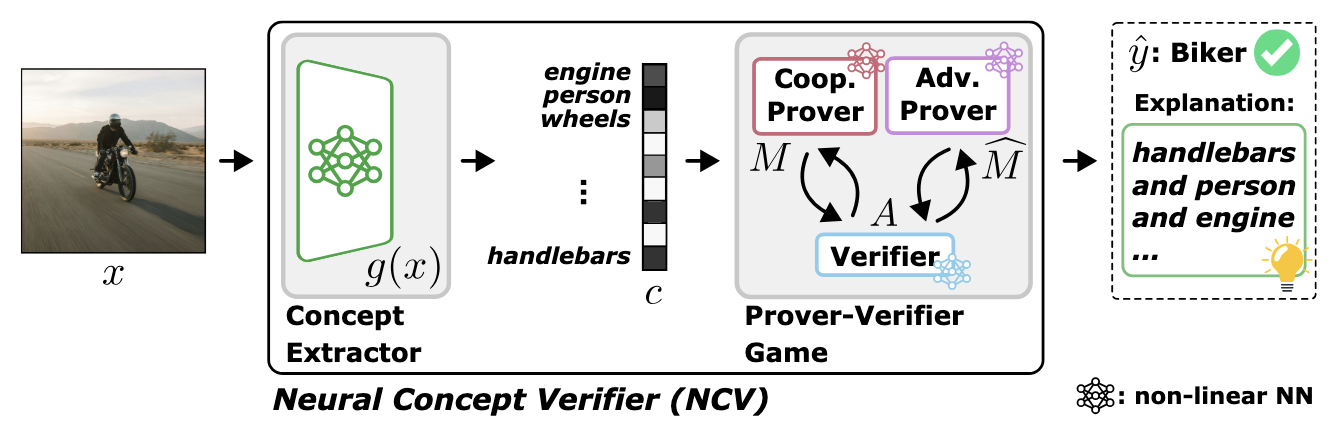
Neural Concept Verifier: Scaling Prover-Verifier Games via Concept Encodings
Berkant Turan, Suhrab Asadulla, David Steinmann, Kristian Kersting, Wolfgang Stammer, Sebastian Pokutta
[ICML 2026] (spotlight)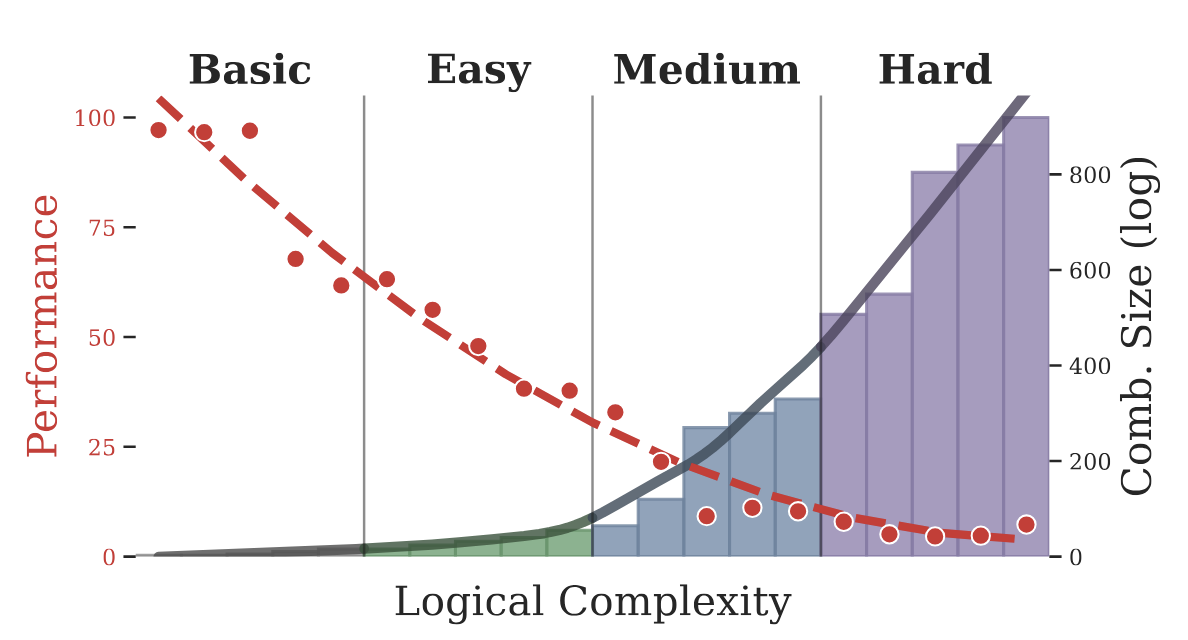
SLR: An Automated Synthesis Framework for Scalable Logical Reasoning
Lukas Helff, Ahmad Omar, Felix Friedrich, Antonia Wüst, Tim Woydt, Rupert Mitchell, Patrick Schramowski, Wolfgang Stammer, Kristian Kersting
[ACL 2026] [GitHub]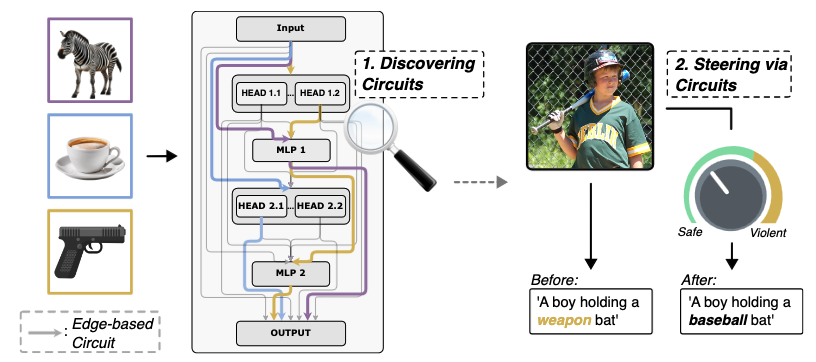
Seeing Through Circuits: Faithful Mechanistic Interpretability for Vision Transformers
Nina Żukowska, Wolfgang Stammer, Bernt Schiele, and Jonas Fischer
[ECCV 2026]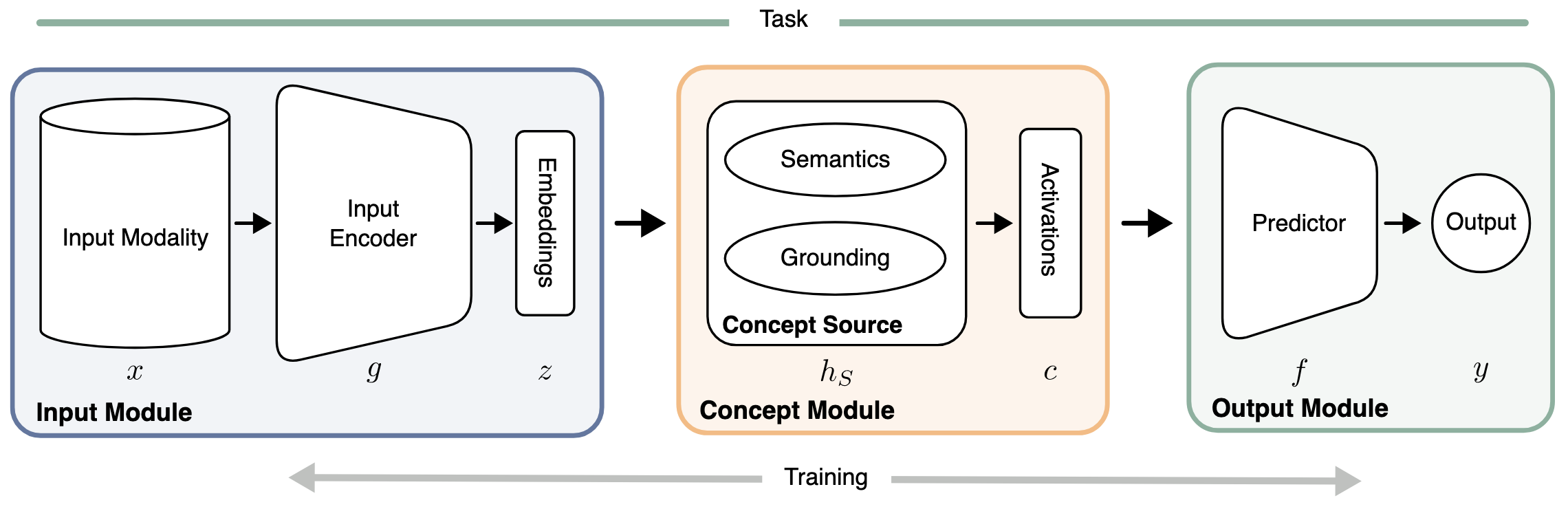
What’s in the Bottle? A Survey and Roadmap of Concept Bottleneck Models
Patrick Knab, David Steinmann, Christian Bartelt, Kristian Kersting, Bernt Schiele, Thomas Seidl, Udo Schlegel, Wolfgang Stammer
[TMLR]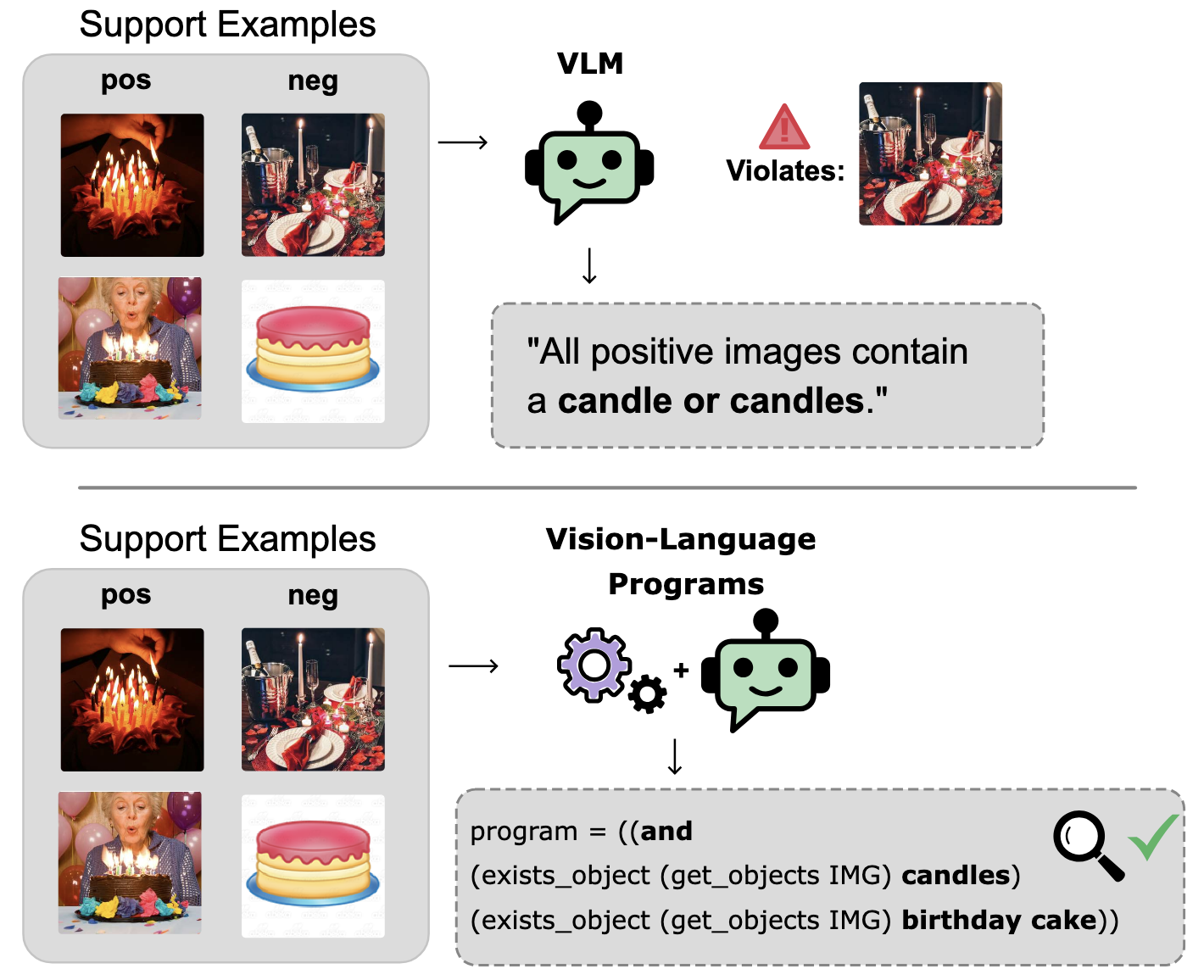
Synthesizing Visual Concepts as Vision-Language Programs
Antonia Wüst, Wolfgang Stammer, Hikaru Shindo, Lukas Helff, Devendra Singh Dhami, Kristian Kersting
[CVPR 2026] [GitHub]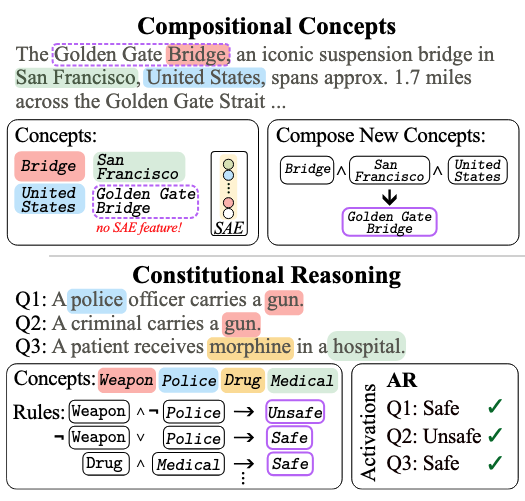
ActivationReasoning: Logical Reasoning in Latent Activation Spaces
Lukas Helff, Ruben Härle, Wolfgang Stammer, Felix Friedrich, Manuel Brack, Antonia Wüst, Hikaru Shindo, Patrick Schramowski, Kristian Kersting
[ICLR 2026] [GitHub]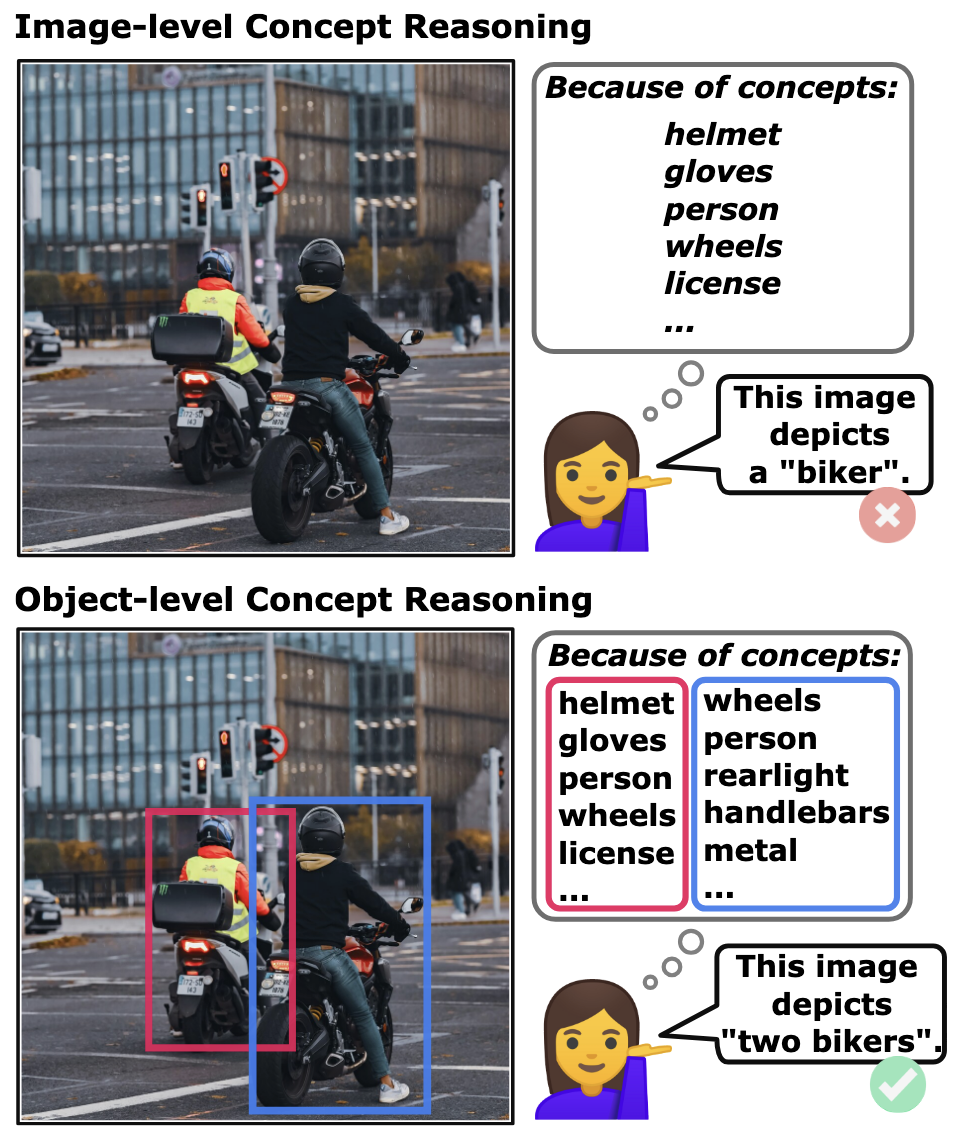
Object-Centric Concept Bottlenecks
David Steinmann, Wolfgang Stammer, Antonia Wüst, Kristian Kersting
[NeurIPS 2025] [GitHub]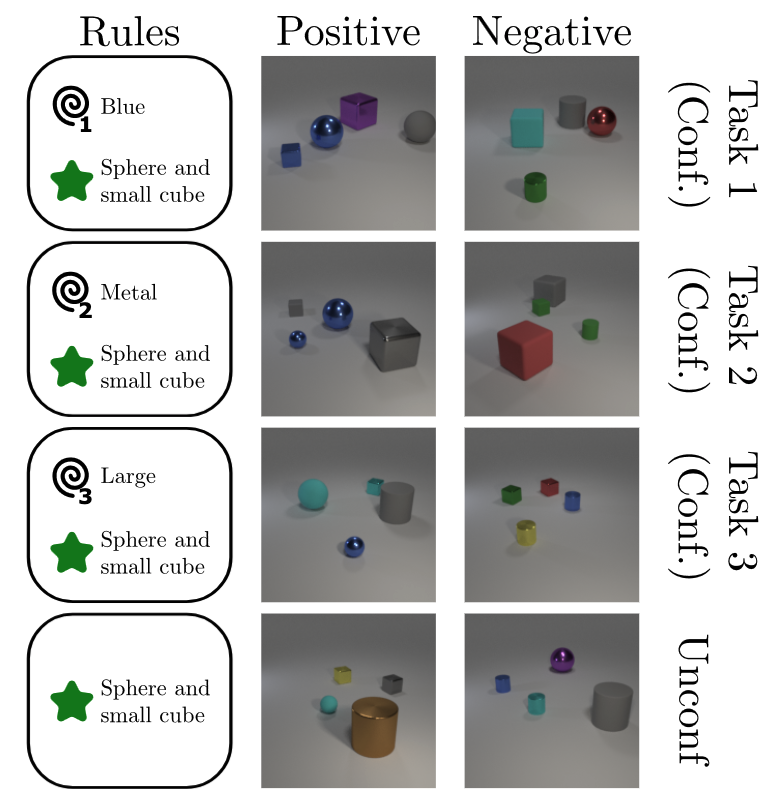
Where is the Truth? The Risk of Getting Confounded in a Continual World
Florian Peter Busch, Roshni Kamath, Rupert Mitchell, Wolfgang Stammer, Kristian Kersting, Martin Mundt
[ICML 2025 (spotlight)]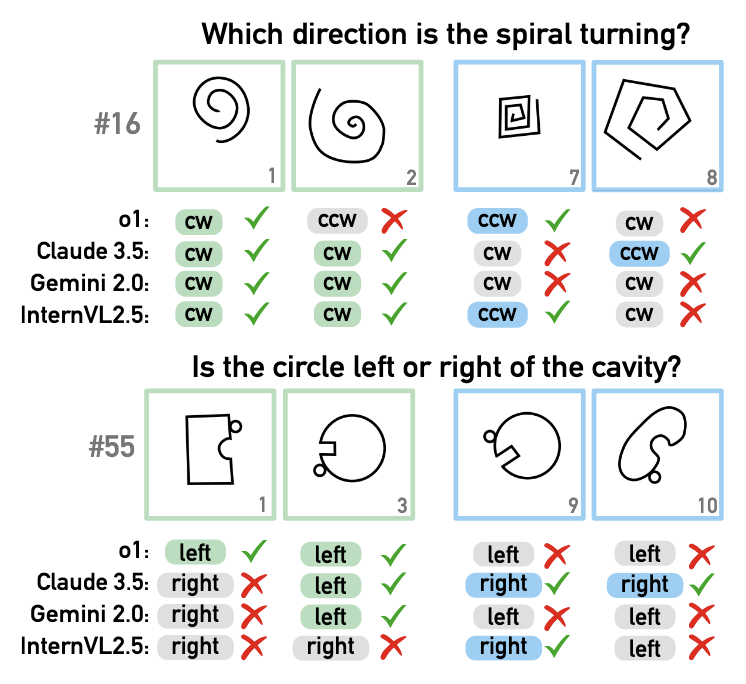
Bongard in Wonderland: Visual Puzzles that Still Make AI Go Mad?
Antonia Wüst, Tim Tobiasch, Lukas Helff, Inga Ibs, Wolfgang Stammer, Devendra S. Dhami, Constantin A. Rothkopf, Kristian Kersting
[ICML 2025]
The Value of Symbolic Concepts for AI Explanations and Interactions (Dissertation)
Wolfgang Stammer
[PhD Thesis (compressed file)] [Technical University Darmstadt]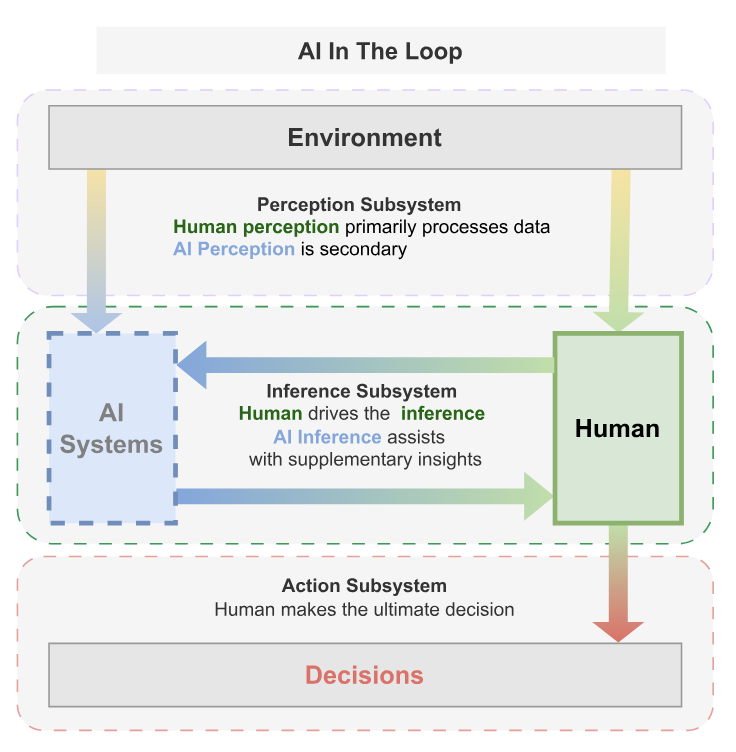
Human-in-the-loop or AI-in-the-loop? Automate or Collaborate?
Sriraam Natarajan, Saurabh Mathur, Sahil Sidheekh, Wolfgang Stammer, Kristian Kersting
[AAAI 2025]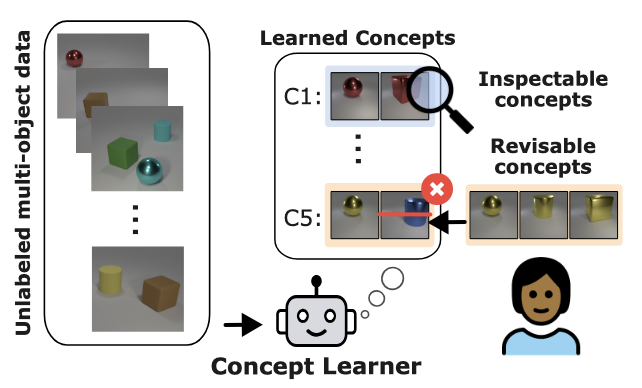
Neural Concept Binder
Wolfgang Stammer, Antonia Wüst, David Steinmann, Kristian Kersting
[NeurIPS 2024] [GitHub]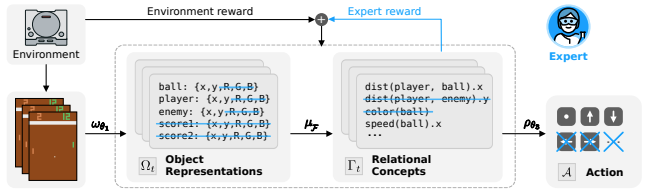
Interpretable Concept Bottlenecks to Align Reinforcement Learning Agents
Quentin Delfosse, Sebastian Sztwiertnia, Mark Rothermel, Wolfgang Stammer, Kristian Kersting
[NeurIPS 2024] [GitHub]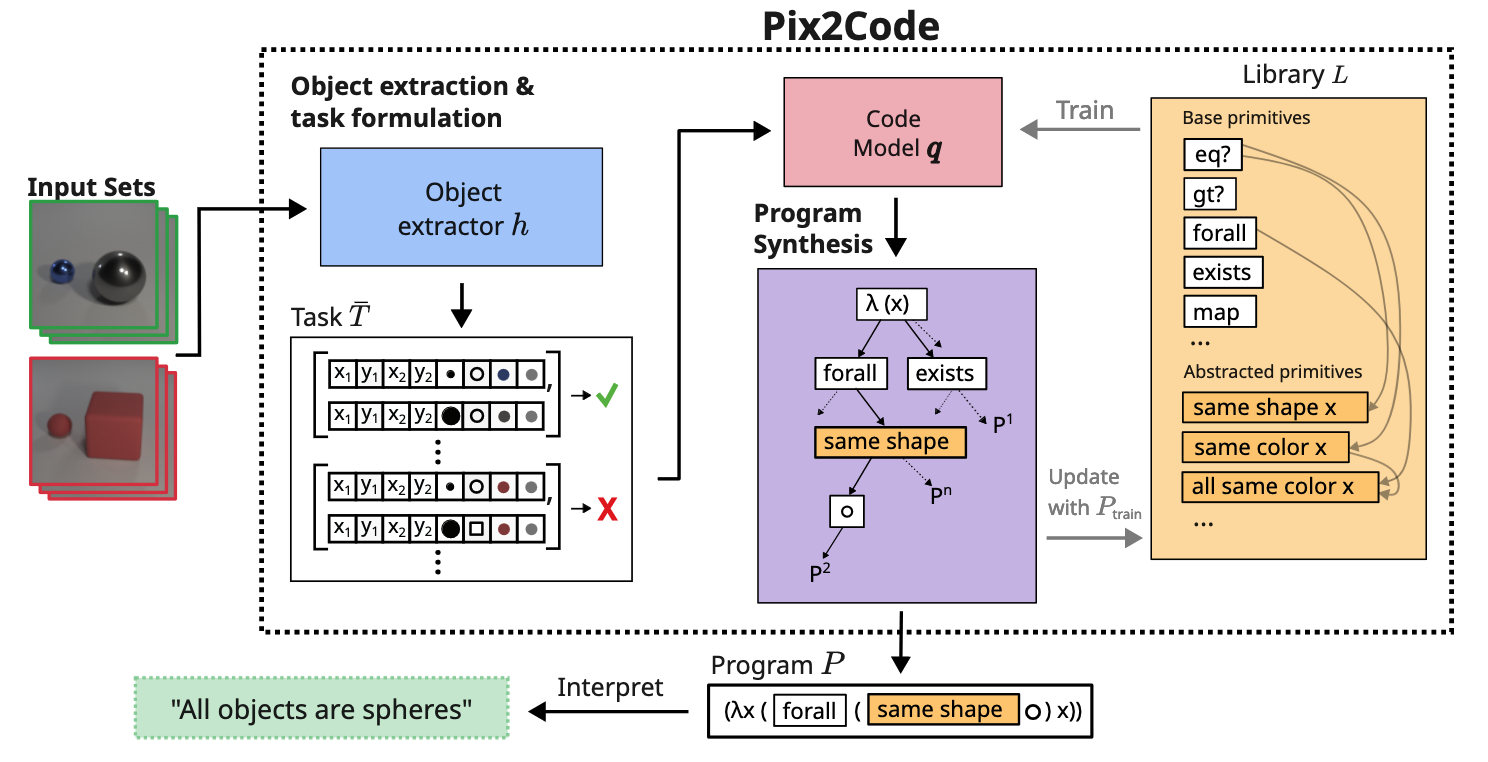
Pix2code: Learning to compose neural visual concepts as programs
Antonia Wüst, Wolfgang Stammer, Quentin Delfosse, Devendra Singh Dhami, Kristian Kersting
[UAI 2024] (oral) [GitHub]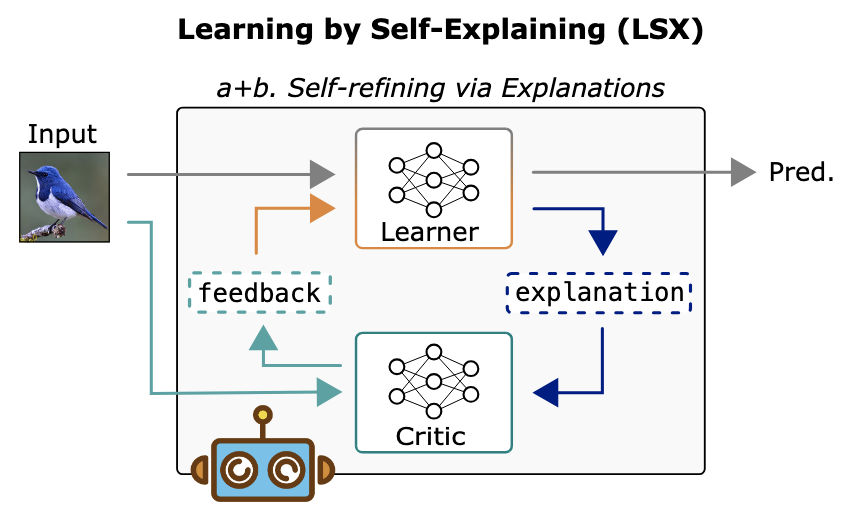
Learning by Self-Explaining
Wolfgang Stammer, Felix Friedrich, David Steinmann, Hikaru Shindo, Kristian Kersting
[TMLR 2024] [GitHub]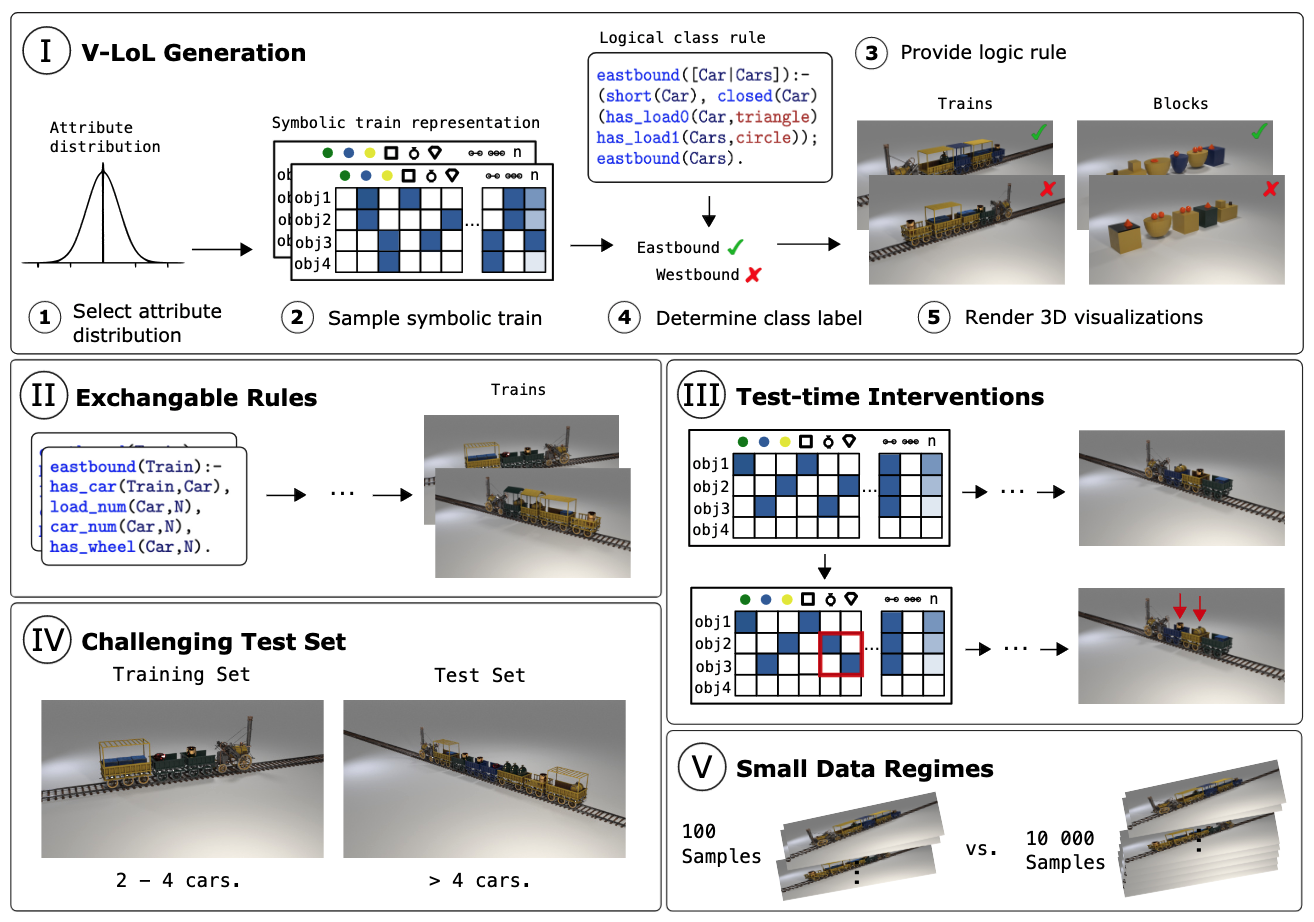
V-LoL: A Diagnostic Dataset for Visual Logical Learning
Lukas Helff, Wolfgang Stammer, Hikaru Shindo, Devendra Singh Dhami, Kristian Kersting
[DMLR 2024] [Project Page] [HuggingFace]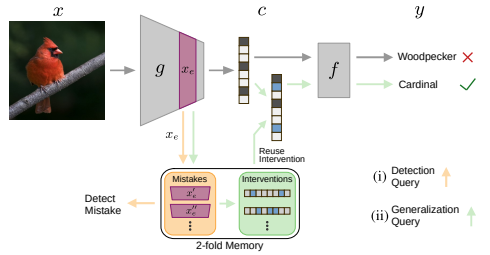
Learning to Intervene on Concept Bottlenecks
David Steinmann, Wolfgang Stammer, Felix Friedrich, Kristian Kersting
[ICML 2024] [GitHub]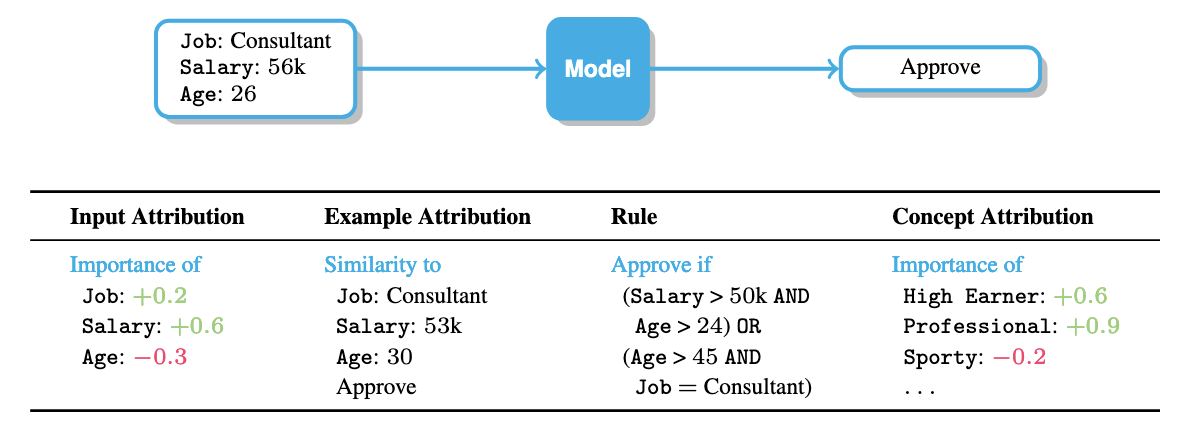
Leveraging explanations in interactive machine learning: An overview
Stefano Teso, Öznur Alkan, Wolfgang Stammer, Elizabeth Daly
[Frontiers in AI 2023]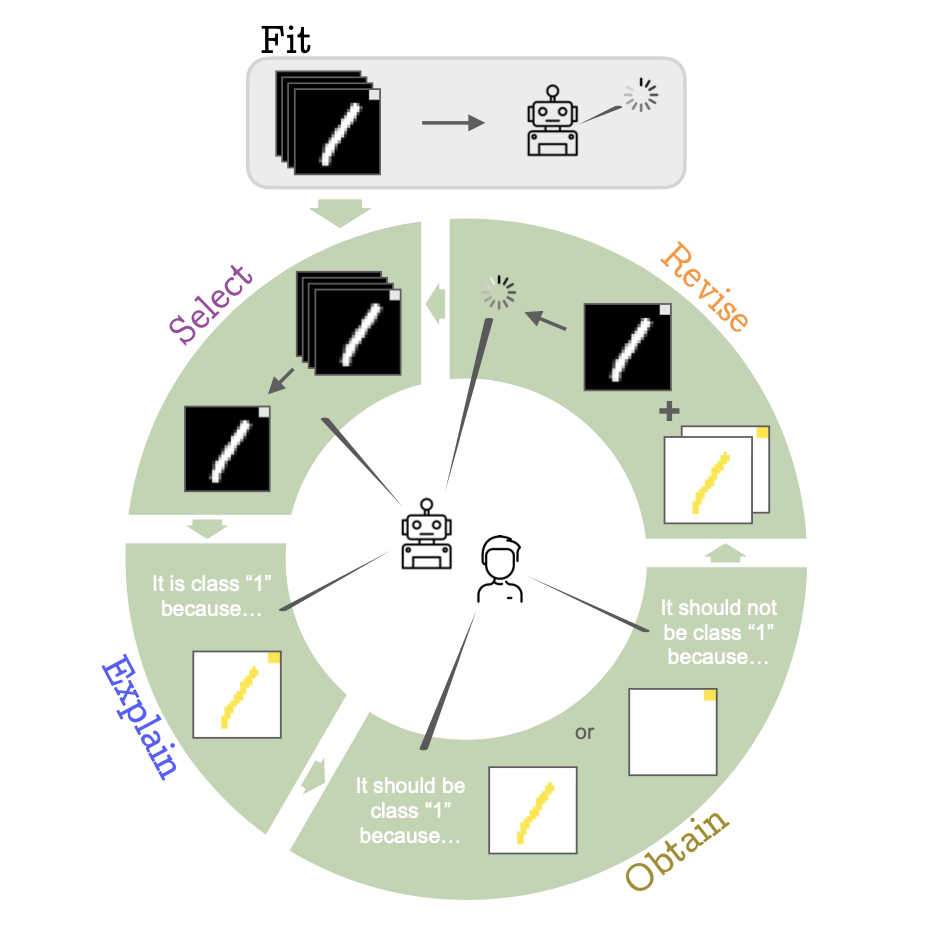
A typology for exploring the mitigation of shortcut behaviour
Felix Friedrich, Wolfgang Stammer, Patrick Schramowski, Kristian Kersting
[Nature Machine Intelligence 2023] [GitHub]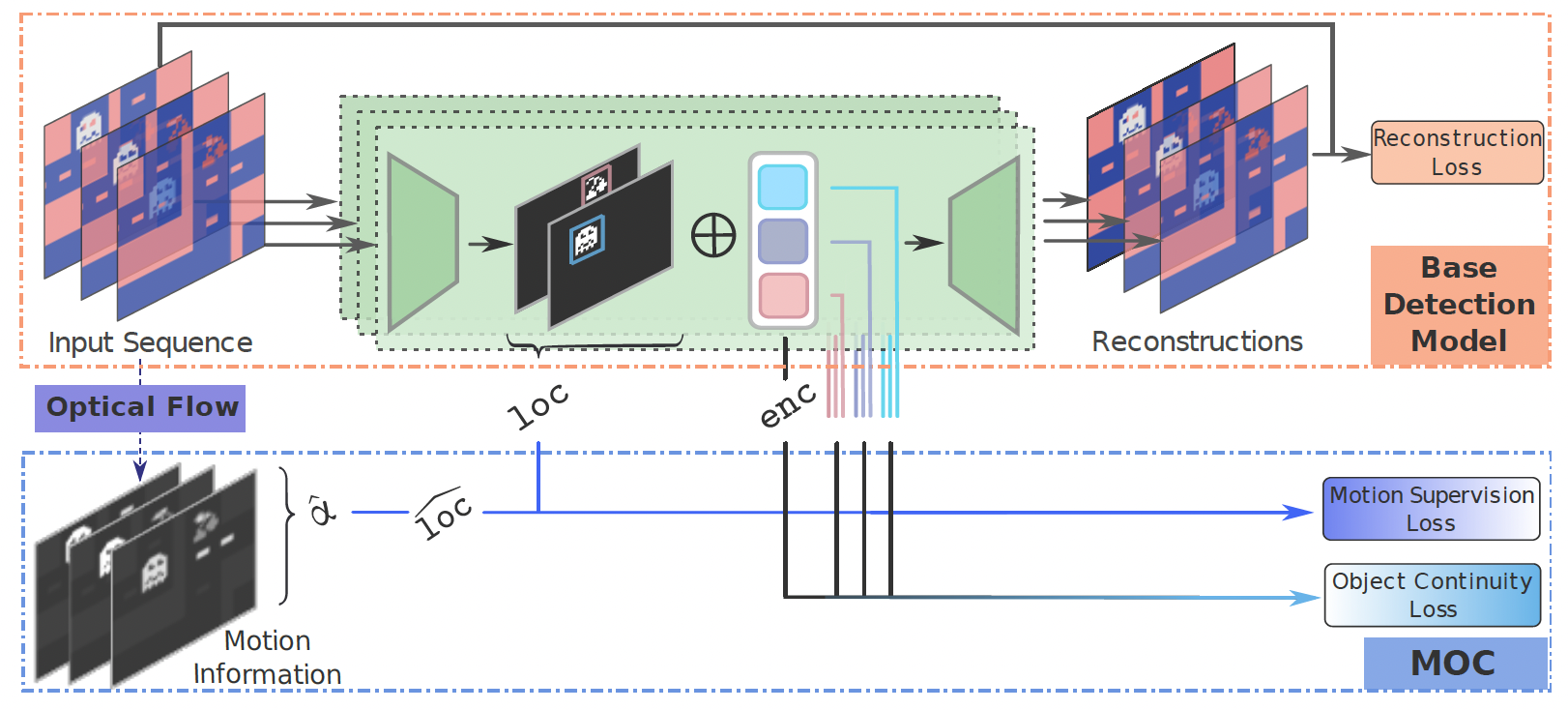
Boosting Object Representation Learning via Motion and Object Continuity
Quentin Delfosse, Wolfgang Stammer, Thomas Rothenbacher, Dwarak Vittal, Kristian Kersting
[ECML-PKDD 2023] [GitHub]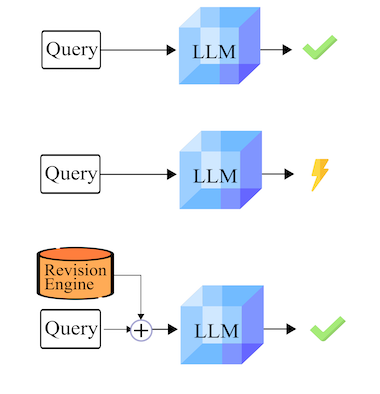
Revision Transformers: Instructing Language Models to Change Their Values
Felix Friedrich, Wolfgang Stammer, Patrick Schramowski, Kristian Kersting
[ECAI 2023]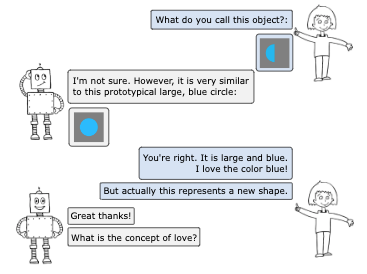
Interactive Disentanglement: Learning Concepts by Interacting with their Prototype Representations
Wolfgang Stammer, Marius Memmel, Patrick Schramowski, Kristian Kersting
[CVPR 2022] [GitHub]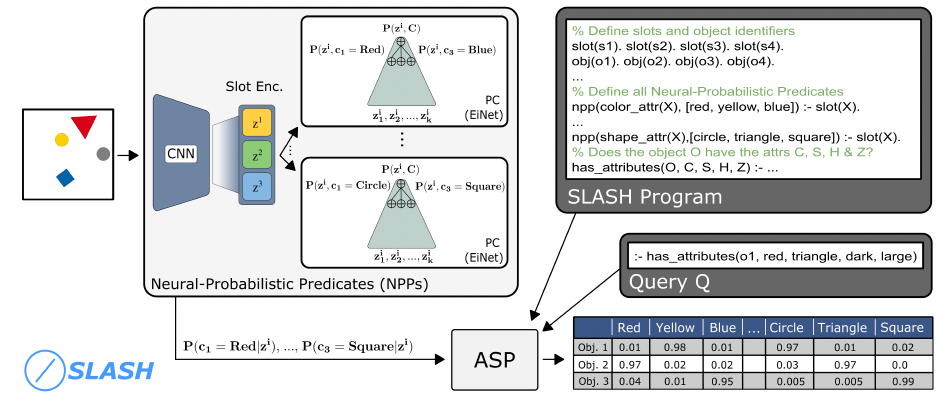
Right for better reasons: Training differentiable models by constraining their influence functions
Xiaoting Shao, Arseny Skryagin, Wolfgang Stammer, Patrick Schramowski, Kristian Kersting
[AAAI 2021]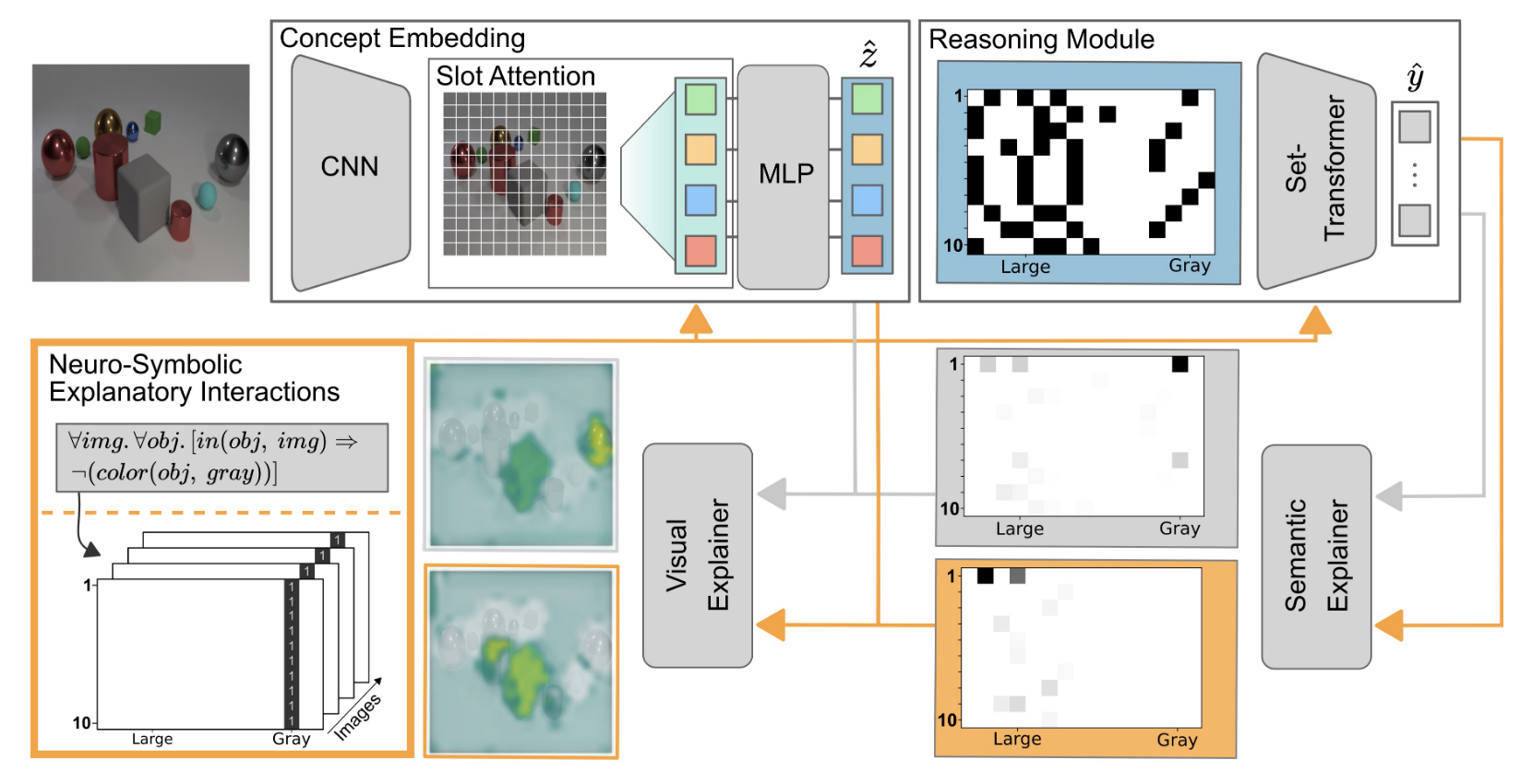
Right for the Right Concept: Revising Neuro-Symbolic Concepts by Interacting With Their Explanations
Wolfgang Stammer, Patrick Schramowski, Kristian Kersting
[CVPR 2021] [GitHub]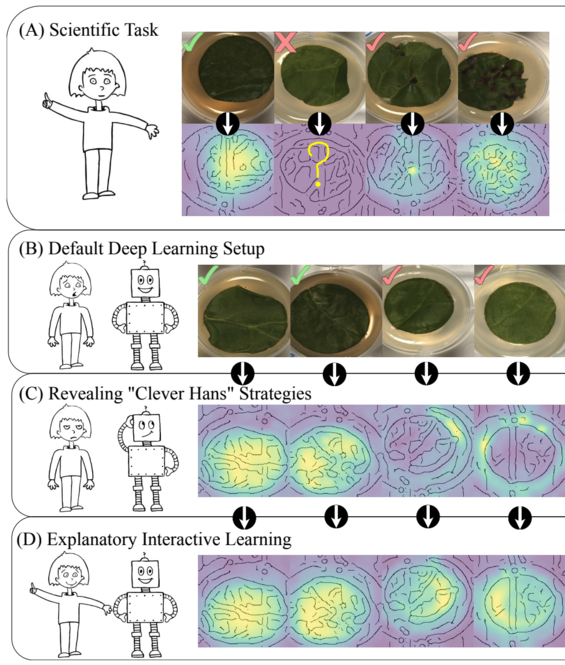
Making deep neural networks right for the right scientific reasons by interacting with their explanations
Patrick Schramowski, Wolfgang Stammer, Stefano Teso, Anna Brugger, Franziska Herbert, Xiaoting Shao, Hans-Georg Luigs, Anne-Katrin Mahlein, Kristian Kersting
[Nature Machine Intelligence 2020] [GitHub]Music
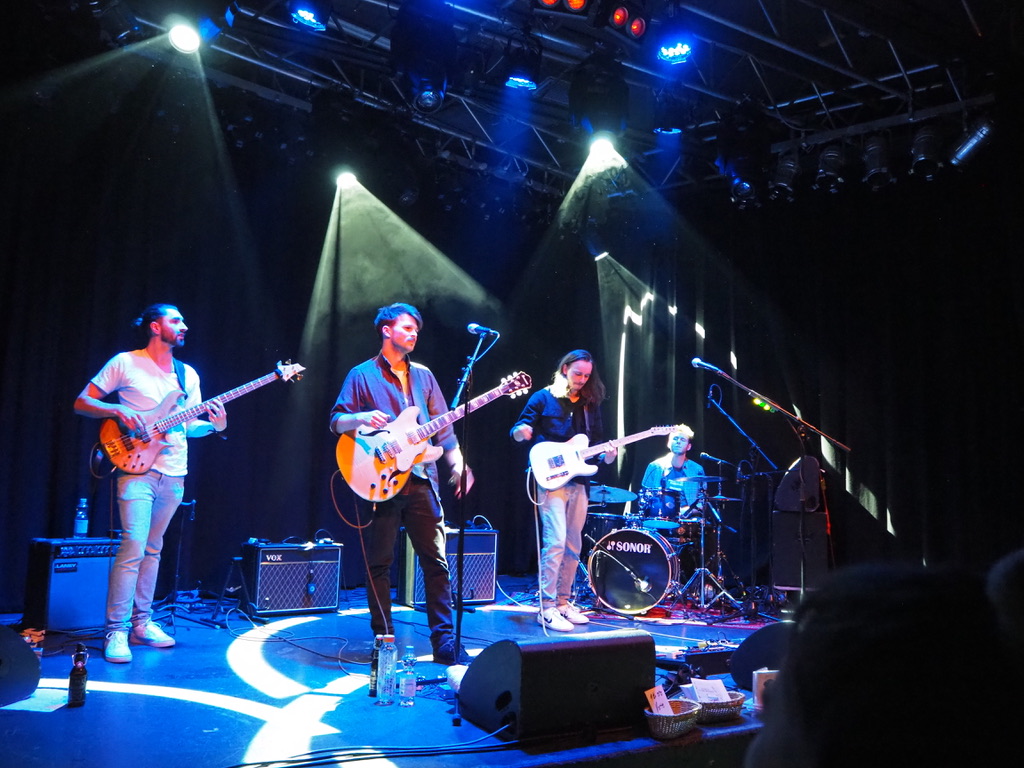
In addition to my work in AI and machine learning, I am also passionate about music. I play and write lyrics and music in the semi-professional band Spiderwebs & Foam. Our band blends various genres, from Rock, Jazz, Electronic, Folk. We have performed at several venues and continue to create and share our music with the world.